
Black German Cultural Society™
Germany’s ‘Brown Babies’
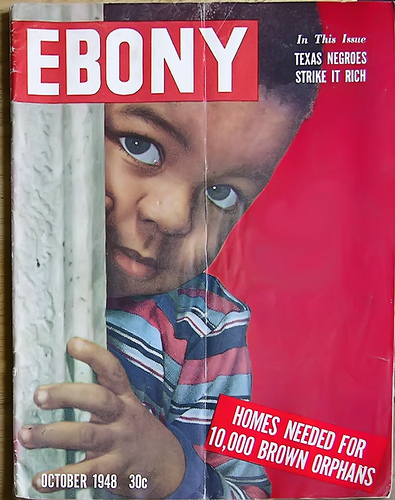
Home Needed for 10000 Brown Babies, Interracial Children of War,
Ebony Magazine, October 1948
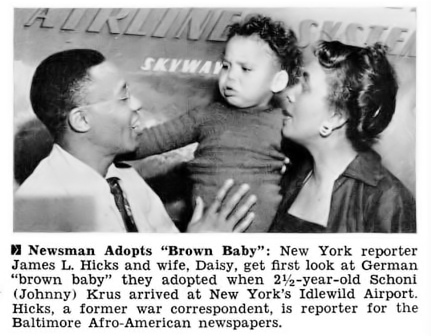
Out of more than 95,000 U.S. Occupation babies born in Germany shortly after WWII, there were approximately 10,000 of us, Post WWII Afro-German children, or so-called Negro mulatto babies, better known in the United States as Germany’s “Brown Babies.” In 1952, the SPD (Social Democratic Party of Germany) deemed that we formed a SPECIAL GROUP, presenting a human and racial problem of a special nature. Our national and cultural heritage [perhaps even our RELIGIOUS BIRTHRIGHT] were seen to be in direct contrast to our skin color. Many of us were put in German foster care, orphanages, or adopted by German, African American military, and US civilian families.
Wir Sind Hier! We Are Here!
“We’ve struggled through childhoods filled with confusion, fear, anger, and feelings of inferior self-esteem. Navigated adolescence in extreme conformity to perceived structures of authority in order to redeem our existence or in defiance of them in utter rebellion. Adulthood was either accomplished successfully by integrating the powerful nuances of our diversified selves or postponed until safety could be found in the distanced wisdom of experience. Some of us didn’t make it. Some of us are just now coming of age.” ~ Rebekka White, Black German




Article: Germany’s Brown Babies: The Difficult Identities of Post-War Black Children of GIs by Stephanie Siek
Excerpt:
Born in an era when Germany was still grappling with its responsibility for the Holocaust and when the US Army had a policy of not acknowledging paternity claims brought against its soldiers stationed abroad, some of these children were put up for adoption in the United States. At the time, Germany judged itself incapable of absorbing these “brown babies” — as they have come to call themselves. In the late 1940s and 1950s, efforts were made to match them with African-American military families, many of whom were stationed around Germany at the time.
Forbidden to Speak German
The adoptees grew up in the United States, many with no idea they were adopted or that they were half-German (for information on the difficulties encountered by BLACK GIs wanting to stay with their German girlfriends, read the sidebar on the left). Scattered across the country, many of the children were forbidden to speak German in their new homes. At the time, it was believed that continuing to speak German would damage their ability to learn fluent English.

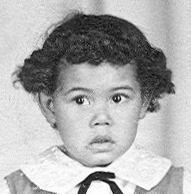
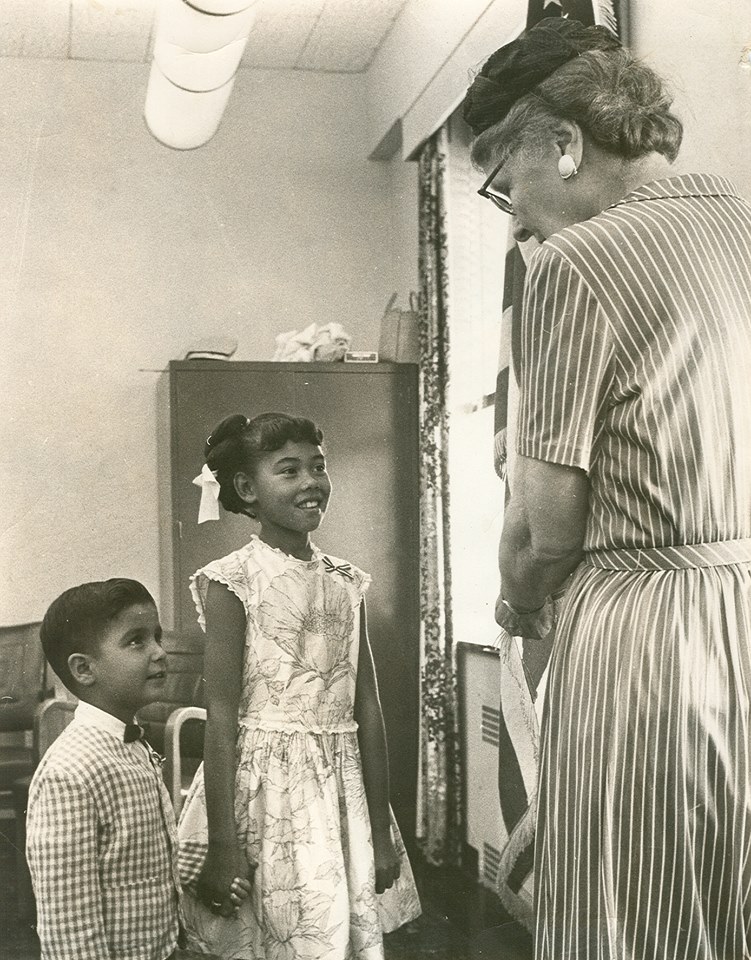
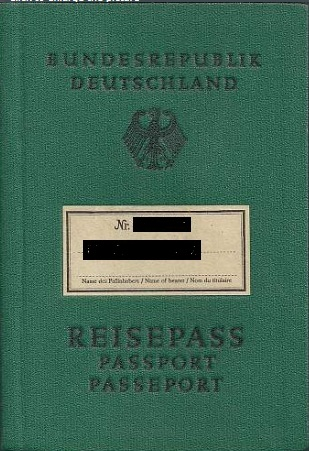
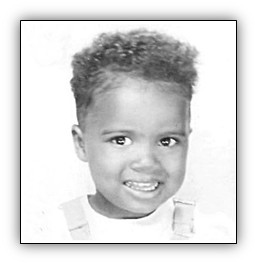
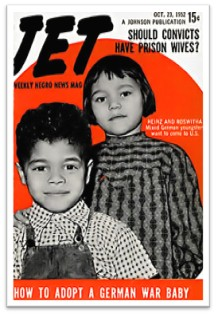

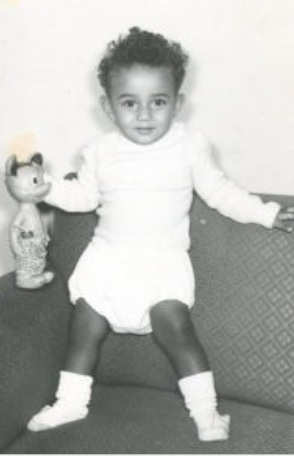
The identification: *German ‘Brown Babies’ or simply ‘Brown Babies’, was used mainly in the US to identify German-born post-WWII mixed-race babies. Black German adoptees living in the US identified themselves as German ‘Brown Babies’ due to a lack of a more suitable identification. In Germany, post-WWII babies were called Mischlingskinder (mixed-race children). Some consider both identifications derogatory, but others continue to use them for their significance in their historical context. Mischlingskinder was employed as a legal classification during the Third Reich to demote German citizens to subjects based on race. The uncontested retention of this term after 1945 was surprising; nonetheless, its meaning had changed.
First, it was stripped of legal significance and returned to its pre-1935 use as a social marker. Second, while it was earlier applied primarily to the children of Christian-Jewish unions, after 1945 this usage was dropped, and Mischling was employed exclusively to designate German children of color, usually of African or African American paternity, but also occasionally Puerto Rican and French Indochinese. Thus, the term marked the children’s racial and national difference from white German children. Today, many people of color of German descent identify as either Black German and/or Afro-German. The term German’ Brown Baby’ continues to be used for its historical context.
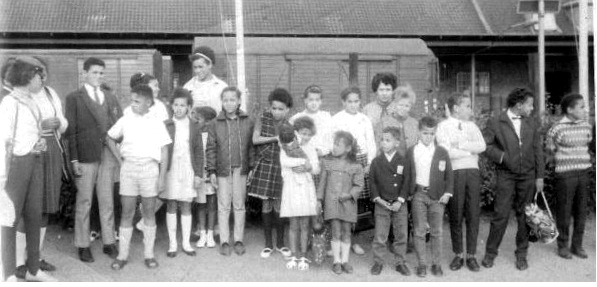
Afro-German Children at the Regensburg Railway station on their way to Denmark for a ‘vacation’.
PLEASE NOTE: For decades, Afro-German children were removed from their foster care homes and deported to Denmark
to be adopted by Danes. More than 2,000 Afro-German children were adopted in Denmark this way.
MORE INFORMATION HERE
Article: Why Mixed-Race Children in Post-WWII Germany Were Deemed a ‘Social Problem’ by Author Alexis Clark.
As racism impacted both sides of the Atlantic, ‘Brown Babies’, the children born to
Black GIs and white European women faced an uncertain future.



Wolfgang and friends at the orphanage. Mannheim, Germany.

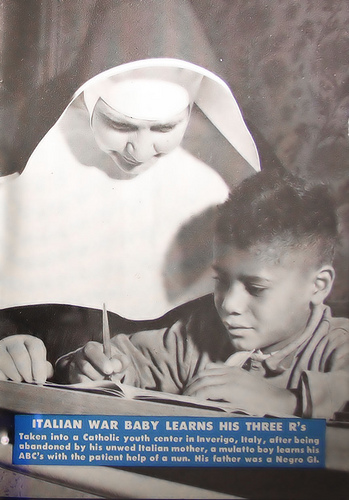
BGCS™ Acknowledges Other Post-WWII War Babies


Japanese Say GIs Have Fathered 200,000 Babies – Jet Magazine, Feb 28, 1952
