
Adoptee Awareness Month
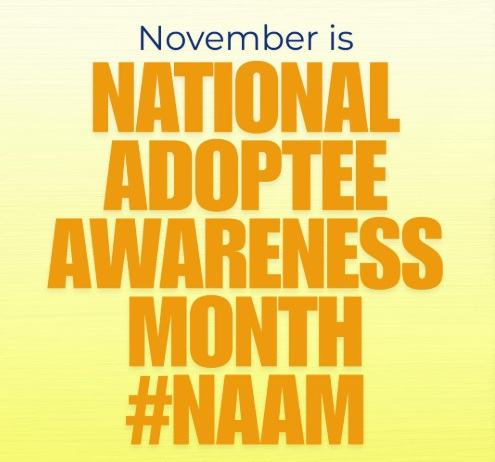
Adoptees Reclaiming the Narrative
What was once known as Adoption Awareness Month—a time traditionally used to promote adoption—is now National Adoptee Awareness Month, a month for adoptees to reclaim their narratives.
Adoptees are using November to amplify their voices, shed light on adoption trauma, fight for adoptee rights, and reveal the real complexities that come with adoption.
This journey isn’t just about happy endings or Hallmark stories; it’s about the lifelong process of navigating what it means to be adopted.
Adoptees’ Flip the Script
“Flip the script” is a movement and concept within the adoptee community that aims to shift the dominant narrative about adoption away from the perspectives of adoptive parents and adoption agencies, and instead center the voices, experiences, and truths of adult adoptees.
Key Aspects of the Movement
- Reclaiming the Narrative: The movement originated in 2014, started by Rosita González at Lost Daughters, as a Twitter hashtag movement (#flipthescript) to challenge the overwhelmingly positive, “feel-good” stories often promoted during National Adoption Awareness Month (November).
- Acknowledging Complexity: It promotes the acceptance of the full range of adoptee experiences, including feelings of grief, loss, anger, and trauma, in addition to love and gratitude for their adoptive families. It pushes back against societal pressure for adoptees to be solely “grateful” or “happy”.
- Adoptees as Experts: The core premise is that adoptees are the primary experts on what it means to live with the experience of adoption, and that their lived experiences should inform adoption policy and practice.
- Validating Feelings: “Flipping the script” means validating adoptee feelings and acknowledging that their past is a crucial part of their future, rather than something to be left behind.
- Published Anthology: The movement led to the creation of the book
- Flip the Script: Adult Adoptee Anthology, a compilation of literature and artistry from a global community of adoptees that explores the diverse experiences of adoptees.
In essence, “flipping the script” is about demanding that the dialogue surrounding adoption be inclusive and authentic to the experiences of those who have been adopted, moving beyond tokenistic inclusion to meaningful and open conversations.
Listen to adoptee voices HERE
The Primal Wound: Understanding the Adopted Child by Nancy Verrier
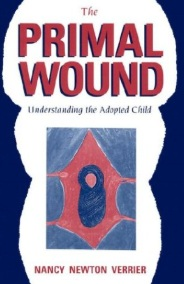
A challenging and courageous work. A book that adoptees call their “bible,” it is a must-read for anyone connected with adoption: adoptees, birth parents, adoptive parents, therapists, educators, and attorneys. In its application of information about perinatal psychology, attachment, bonding, and loss, “The Primal Wound” clarifies the effects of separation from the birthmother on adopted children. In addition, it gives adoptees, whose pain has long been unacknowledged or misunderstood, validation for their feelings, as well as explanations for their behavior. As one adoptee said, “Only one thing has caused me more pain and damage than the existence of the primal wound: the world’s insistence that it does not exist.” The existence of the primal wound and suggestions for healing that wound are intelligently and compassionately presented in this book, which is quickly becoming the quintessential work on the complex and lifelong process of adoption. The insight the author brings to the experience of abandonment and loss will contribute not only to the healing of those connected with adoption but will also bring understanding and encouragement to anyone who has ever felt abandoned.